Comparing St Cloud Top Rated Environmental Consulting for Developers
Unlocking Sustainability: Why Environmental Consulting Proves Critical for Every Business
In today's business landscape, sustainability is not just an option; it is a necessity. Environmental consulting delivers critical support for organizations working to manage this complex terrain. Consultants assess environmental impacts, guarantee compliance, and help formulate effective sustainability strategies. As regulatory pressures and consumer expectations rise, understanding the role of these consultants becomes progressively vital. What specific benefits can businesses anticipate from these partnerships, and how can they effectively adopt sustainable practices?
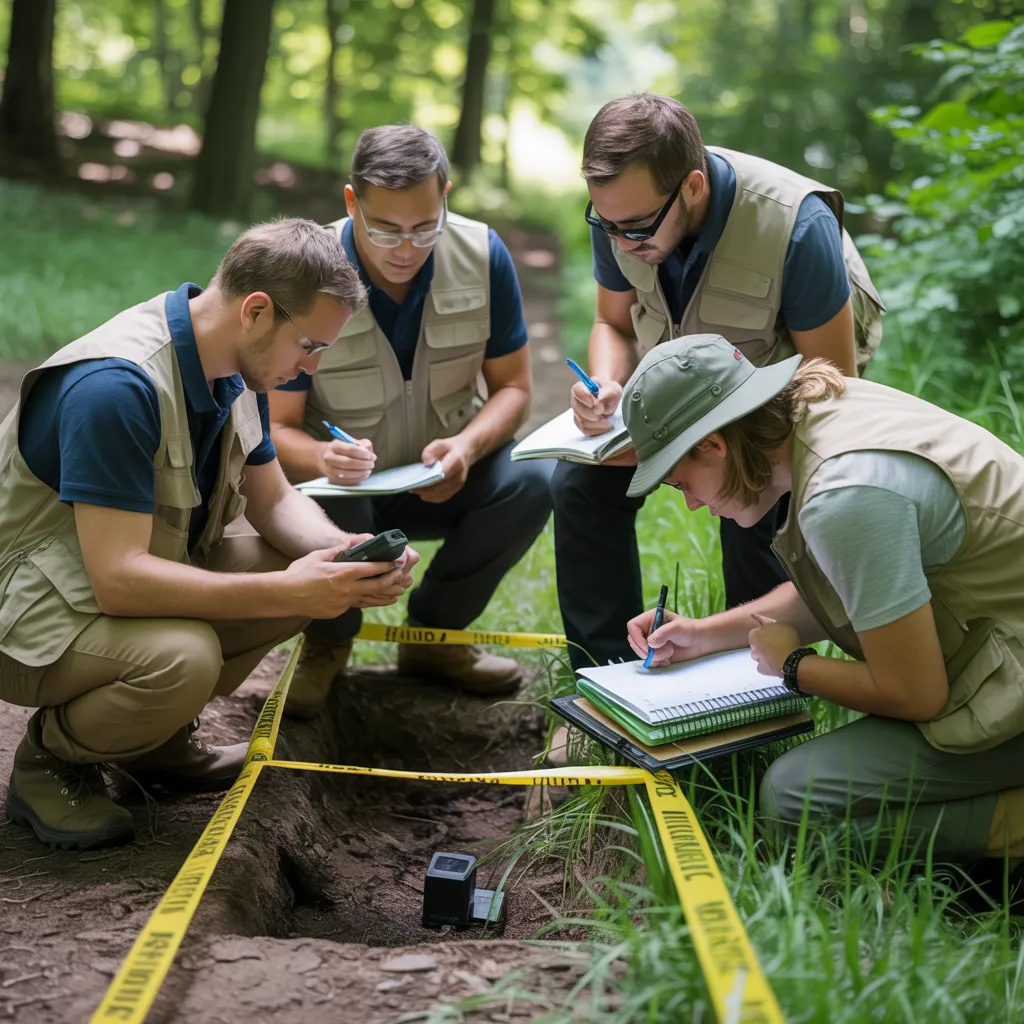
Grasping the Function of Environmental Consultants
While businesses increasingly face environmental regulations and sustainability challenges, the role of environmental consultants has become crucial. These professionals specialize in analyzing environmental impacts, ensuring compliance with laws, and guiding organizations towards sustainable practices. They conduct audits, examine data, and develop strategies that reduce risks associated with environmental issues. By identifying potential liabilities, environmental consultants help businesses avoid costly penalties and enhance their reputation.
Moreover, they assist in the design and implementation of environmental management systems, supplying training and resources to staff. Their proficiency spans across numerous sectors, including manufacturing, construction, and agriculture, where they customize solutions to meet specific industry demands. By monitoring regulatory changes and emerging sustainability trends, environmental consultants provide businesses with the knowledge necessary for sustained compliance and operational efficiency. Ultimately, their role not only defends the environment but also encourages a culture of sustainability within organizations.
Positive Aspects of Sustainable Practices for Organizations
Companies experience various benefits through sustainable practices, as they improve both brand reputation and operational efficiency. By implementing eco-friendly approaches, companies can decrease energy consumption and minimize waste, leading to significant cost savings. These practices frequently draw in eco-conscious consumers, expanding market reach while building customer loyalty.
Furthermore, conformity with environmental regulations becomes easier to manage, reducing the risk of legal penalties. Businesses that focus on sustainability are frequently viewed as industry leaders, placing themselves competitively against competitors. Enhanced employee morale and productivity can also result from a commitment to sustainability, as workers increasingly seek to associate with socially responsible organizations.
Moreover, eco-friendly approaches can open avenues for innovation, stimulating the development of fresh products and services that fulfill shifting consumer needs. Finally, a firm commitment to sustainability doesn't just aids in environmental preservation but also represents a competitive edge in today's competitive business environment.
Assessing Your Current Environmental Footprint
How can a company precisely measure its environmental impact? To comprehensively gauge their current environmental impact, businesses should undertake a comprehensive evaluation of their operations. This includes evaluating energy consumption, waste generation, water usage, and emissions produced across all processes. Implementing tools such as life cycle assessments (LCAs) can offer insights into the environmental effects of products from origin to disposal.
Additionally, businesses should participate in data collection and monitoring practices to evaluate their resource utilization and waste outputs. Engaging environmental consultants can strengthen this assessment, as they bring expertise in identifying areas for improvement. In addition, conducting employee surveys can provide insights into operational practices that may result in environmental degradation. By carefully evaluating these aspects, businesses can establish a clear baseline of their environmental impact, facilitating informed decision-making in sustainability efforts.
Developing a Full-Scale Sustainability Program
A thorough sustainability strategy is vital for businesses striving to minimize their environmental impact and improve long-term viability. This strategy should begin with a clear understanding of the organization's environmental footprint, recognizing key areas for improvement. Including stakeholders, including employees and customers, develops a culture of sustainability and promotes innovative solutions.
Subsequently, defining measurable goals is crucial; these goals can include decreasing waste, energy consumption, and carbon emissions. Businesses should incorporate sustainable practices into their operations, supply chains, and product development, fostering a circular economy approach.
Regular tracking and reporting on progress help copyright accountability and transparency, while adapting strategies based on performance data guarantees continuous improvement.
In the end, a thorough sustainability strategy not only promotes environmental stewardship but can also enhance brand reputation, draw in eco-conscious consumers, and generate cost savings, making it a vital component for modern businesses aiming to thrive in a changing world.
Compliance With Environmental Standards
Several organizations confront the obstacle of managing complex environmental regulations that vary by region and sector. Conformity to these regulations is essential for preventing legal penalties, financial losses, and reputational damage. Environmental consultants fulfill an essential part in aiding organizations grasp and follow local, national, and international laws controlling environmental protection. They provide expertise in sectors such as waste management, emissions controls, and resource utilization, guaranteeing that businesses adopt best practices.
Improving Corporate Image Via Sustainability
As buyers progressively emphasize ecological accountability, companies that embrace eco-friendly methods can notably strengthen their brand reputation. Businesses that show a commitment to sustainability not only appeal to environmentally conscious customers but also foster loyalty among existing clients. This commitment can show itself in numerous ways, such as lowering carbon details footprints, using renewable resources, or engaging in community-focused environmental initiatives.
When enterprises transparently discuss their sustainability practices, they establish trust and credibility with stakeholders. Favorable brand image can generate increased market share and competitive advantage, as consumers are better positioned to support brands that correspond to their values. Moreover, sustainable practices often lead to cost savings through optimized efficiency, further strengthening the brand's financial position.
In the end, focusing on sustainability can transform a company's identity, forming a constructive narrative that engages consumers and elevates overall brand equity.
Emerging Trends in Sustainability and Environmental Consulting
As businesses increasingly prioritize sustainability, the integration of innovative technology into environmental consulting practices is becoming essential. In tandem with this technological evolution, regulatory changes are altering the field, demanding that consultants to revise their tactics to remain compliant. These trends represent a transformative period for the environmental consulting sector, emphasizing the need for novel methodologies and proactive initiatives.
Technology Implementation in Consulting Services
As technology rapidly advances, environmental consulting is poised to undergo significant transformations that will strengthen sustainability practices across various industries. The integration of data analytics, artificial intelligence, and remote sensing technologies permits consultants to supply precise assessments and innovative solutions. These tools enable real-time monitoring of environmental impacts, supporting proactive measures rather than reactive responses. In addition, cloud-based platforms improve collaboration among stakeholders, boosting transparency and accountability in sustainability initiatives. The rise of smart technologies, such as IoT devices, enables businesses to track resource consumption and emissions more effectively. As technology continues to evolve, environmental consultants will increasingly utilize these innovations to promote efficiency, reduce costs, and support businesses in reaching their sustainability goals.
Regulatory Updates Impacting Operations
Regulatory updates consistently alter the landscape of environmental consulting, driving businesses to adapt their practices to adhere to new standards. As governments globally implement tougher environmental regulations, organizations must review their strategies to satisfy compliance requirements. This is particularly apparent in sectors such as manufacturing, energy, and waste management, where non-compliance can cause significant fines and reputational damage. Environmental consultants play an vital role in helping businesses navigate these complexities, ensuring that they are not only compliant but also prepared for sustainable growth. Moreover, the trend toward greater transparency and accountability in environmental practices is likely to continue, obligating businesses to adopt proactive measures in their sustainability efforts. Therefore, adapting to regulatory changes will remain a crucial focus for organizations striving for long-term viability.
Frequently Asked Questions
How Much Should You Expect to Pay for an Environmental Consultant?
Hiring an environmental consultant generally ranges between $100 to $300 per hour, based on factors such as professional qualifications, project complexity, and location. Some consultants may also provide fixed rates for particular projects or projects.
Can Environmental Consulting Services Help Small Businesses?
Small businesses can indeed benefit from environmental consulting services. These services help identify cost-saving opportunities, strengthen sustainability practices, and improve regulatory compliance, thereby creating a stronger reputation and increased competitiveness in the market.
Which Industries Most Often Need Environmental Consulting?
Sectors including manufacturing, construction, energy, and agriculture commonly require environmental consulting. These sectors often face regulatory requirements, environmental impact assessments, and sustainability initiatives, requiring expert guidance to navigate complicated environmental issues efficiently.
How Do I Choose the Right Environmental Consultant for My Company?
To pick the right environmental consultant, you should assess their knowledge, industry experience, and client references. In addition, reviewing their approach to sustainability and regulatory knowledge can guarantee alignment with the business's specific environmental aims and necessities.
What Qualifications Should I Look for in an Environmental Consultant?
When choosing an environmental consultant, one should focus on certifications such as ISO 14001, LEED accreditation, and Certified Environmental Professional (CEP). These credentials show expertise in environmental management, sustainability practices, and regulatory compliance, guaranteeing reliable guidance.